
Smart Window Treatments in Sterling Heights
Homeowners are increasingly looking for ways to make their homes more comfortable, efficient, and convenient. Window coverings play an important role in all three areas. They influence how much sunlight enters a room, help maintain indoor temperatures, provide privacy, and contribute to the overall appearance of a space. With motorization and automated controls, these benefits become easier to manage throughout the day.
Choosing smart window treatments in Sterling Heights allows you to adjust blinds, shades, drapery, or shutters without manually operating every window covering. Depending on the selected product and control system, your treatments may operate using a remote, wall switch, smartphone app, programmed schedule, or compatible smart-home platform. This is particularly useful for tall windows, hard-to-reach areas, large groups of windows, and rooms where lighting conditions change frequently.
Vertical Vic’s helps homeowners in Sterling Heights, Mount Clemens, and surrounding Michigan communities explore window treatment options that fit their homes, routines, privacy needs, and design preferences. With professional guidance and customization, smart window coverings can provide practical everyday improvements while creating a polished, coordinated appearance.
What Makes a Window Treatment “Smart”?
A smart window treatment typically includes a motorized operating system that allows the window covering to open, close, raise, lower, or tilt using an electronic control. Some products use rechargeable batteries, replaceable batteries, plug-in power, or a professionally planned wired power source. The appropriate option depends on the window, product style, desired features, and access to electrical connections.
The term “smart” may also refer to the treatment’s ability to operate according to programmed schedules or integrate with other compatible devices. For example, shades may be scheduled to rise in the morning, lower during the hottest part of the afternoon, and close after sunset. This creates a predictable routine without requiring someone to visit every room several times a day.
Homeowners considering smart window treatments in Sterling Heights can choose from different levels of automation. Some people want the simplicity of a handheld remote, while others prefer app control and scheduling. A household does not necessarily need a complicated smart-home system to enjoy motorized window coverings. The controls can be selected according to the homeowner’s comfort level and daily needs.
The Everyday Convenience of Automated Control
One of the greatest benefits of smart window coverings is convenience. Manually adjusting several blinds or shades can become a repetitive chore, especially in homes with many windows. Motorization allows multiple treatments to be controlled individually or together, depending on the selected system.
In a living room with several windows, for example, one command may lower all the shades to reduce glare on a television. In a bedroom, a programmed schedule can close the window coverings at night and open them gradually in the morning. In a dining area, motorized treatments can be adjusted when direct sunlight begins shining across the table.
Installing smart window treatments in Sterling Heights can also make hard-to-reach windows much more functional. Windows above stairways, behind large furniture, or near vaulted ceilings are often left uncovered or remain in one position because they are difficult to access. Motorized operation makes it possible to use those treatments as intended without ladders, reaching, or rearranging the room.
Convenience can be especially valuable for homeowners with mobility limitations or difficulty operating cords, wands, and larger coverings. A button, remote, or app can make the treatment easier to control independently. When the system is properly selected and configured, operating the window coverings becomes a simple part of the household routine.
Managing Sunlight Throughout the Day
Sterling Heights homes experience changing sunlight conditions throughout Michigan’s seasons. A room that feels comfortable in the morning may receive intense sunlight later in the afternoon. Smart window coverings make it easier to respond to those changes, even when no one is standing beside the window.
With smart window treatments in Sterling Heights, homeowners can schedule coverings to move based on their typical sunlight patterns. East-facing windows can be covered during bright mornings, while west-facing windows can be managed during the late afternoon. South-facing windows may benefit from planned adjustments during the brightest portions of the day.
Automated control can reduce glare on televisions, monitors, and other screens. This is helpful in home offices, family rooms, bedrooms, and other spaces where direct sunlight can interfere with visibility. Instead of leaving a shade closed all day, the covering can be adjusted only when glare becomes a problem. That allows the household to enjoy natural light during more comfortable hours.
The appropriate fabric, material, and opacity remain important. A motor does not change how a window covering filters light, so homeowners should consider whether they want soft light diffusion, significant room darkening, or flexible adjustment. Professional product guidance can help match the operating system with a treatment that delivers the desired level of light control.
Supporting More Comfortable Indoor Temperatures
Windows can influence how warm or cool a room feels. Direct sunlight may add unwanted heat during warmer months, while uncovered glass can make certain areas feel colder during Michigan winters. Although window coverings do not replace heating, cooling, or properly insulated windows, well-selected treatments can provide another layer of control.
Homeowners may program smart window treatments in Sterling Heights to close during periods of strong summer sun. Reducing the amount of direct solar heat entering the home may help rooms feel more comfortable and lessen the need to make frequent thermostat adjustments. During cooler weather, treatments can be opened when useful sunlight is available and closed when additional coverage is desired.
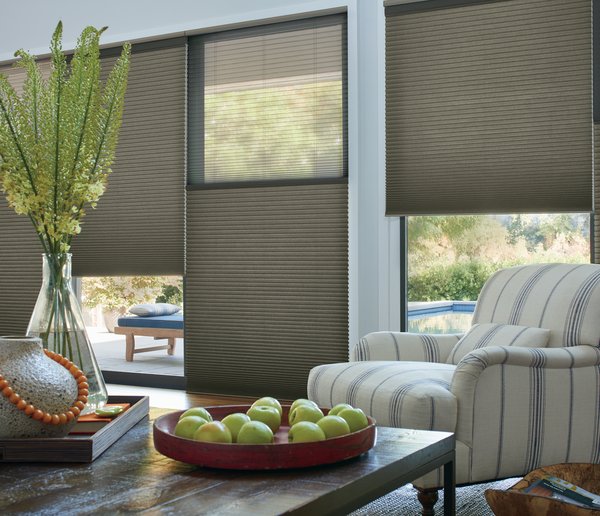
Cellular shades are a popular consideration when insulation is a priority because their structured pockets help trap air at the window. Other shades, shutters, blinds, and lined drapery may also contribute to comfort depending on their materials, fit, and construction. The best choice varies according to the window’s size, direction, and the homeowner’s priorities.
Automation makes it easier to use the treatment consistently. A window covering can only provide its intended light-control or insulating benefit when it is placed in the appropriate position. Scheduling eliminates the need to remember every adjustment, which can be especially helpful in rooms that are not occupied continuously.
Enhancing Privacy at Predictable Times
Privacy needs often change throughout the day. During daylight hours, homeowners may want natural light while limiting visibility into the room. After dark, greater coverage is usually preferred, particularly in bedrooms, bathrooms, living areas, and street-facing rooms.
With smart window treatments in Sterling Heights, coverings can be scheduled to close near sunset or at another preferred time. This helps create a consistent evening routine and reduces the likelihood of accidentally leaving an exposed window uncovered. In the morning, selected treatments can reopen to restore natural light.
Different window covering styles provide different degrees of privacy. Room-darkening shades and lined drapery can offer substantial coverage when closed. Shutters provide adjustable louvers, allowing homeowners to change the angle of light and visibility. Blinds also permit slat adjustment, while certain layered and sheer shade styles provide more flexible combinations of view-through and coverage.
Because privacy expectations vary by room, a whole-home project does not need to use one identical product everywhere. Bedrooms may require greater coverage, while a living room may prioritize filtered light. Smart controls can coordinate different treatments while allowing each space to receive an appropriate solution.
Smart Shades for Versatile Light Control
Shades are among the most popular products to motorize because many styles naturally raise and lower in a smooth motion. Roller shades offer a clean, streamlined appearance and can be made with fabrics ranging from light filtering to room darkening. Their simple form works well with motorized operation and makes them suitable for many contemporary and transitional interiors.
Cellular shades combine a structured appearance with insulating properties. Depending on the available product specifications, they may be selected in different cell sizes, colors, and opacity levels. Roman shades provide softer folds and a more tailored textile appearance while still offering the convenience of automated movement.
Choosing smart window treatments in Sterling Heights does not mean every room must use the same shade. A homeowner might select room-darkening roller shades for bedrooms, light-filtering cellular shades for a home office, and Roman shades for a dining space. Compatible controls may allow these different products to operate within the same broader system, subject to manufacturer and product requirements.
Shade fabric should be evaluated in the room where it will be installed. Color, texture, opacity, and exterior light can affect how a material looks and performs. Professional consultation is valuable because a small sample viewed under showroom lighting may appear different when placed against a large window in the home.
Motorized Blinds and Adjustable Louvers
Blinds remain a practical option for homeowners who want adjustable slats. Tilting the slats changes the angle of incoming sunlight, visibility, and privacy without necessarily raising the entire treatment. Depending on the selected blind and automation system, motorization may control tilting, lifting, or both.
Automated blinds can be useful in offices, living rooms, kitchens, and other spaces where the light direction changes during the day. A slight adjustment may redirect harsh sunlight while allowing the room to remain bright. This level of control is different from simply opening or closing a solid shade.
When evaluating smart window treatments in Sterling Heights, homeowners should discuss how they want each blind to function. Some may be satisfied with automated tilt control, while others want the blind to raise fully. Product size, weight, material, and manufacturer limitations can affect which operations are available.
Precise measurement is essential for a polished fit and reliable performance. An oversized blind may be difficult to operate, while a treatment divided into multiple sections may provide better control across a wide window. A window treatment professional can explain the available configurations and help determine which layout works best.
Automated Drapery for Wide Windows and Doors
Motorized drapery can make a dramatic practical difference on wide windows and sliding glass doors. Large drapery panels may be heavy or inconvenient to move manually, especially when they span a broad opening. An automated track allows the panels to open or close smoothly with a control or programmed command.
Drapery can provide varying levels of light control based on the chosen fabric and lining. Lighter materials may soften incoming daylight, while lined panels can provide greater privacy and room darkening. Motorized operation allows homeowners to enjoy the softness and fullness of drapery without the daily effort of handling large panels.
For homeowners interested in smart window treatments in Sterling Heights, automated drapery may be appropriate for bedrooms, living rooms, dining rooms, and patio-door areas. It can also be paired with another window covering when more than one level of control is desired. For example, a shade may manage everyday sunlight while drapery provides additional coverage when closed.
The track, panel dimensions, stack space, mounting location, and motor placement should all be considered during planning. These details influence how the drapery hangs, where it rests when open, and how much of the glass remains visible. Customized planning helps the finished treatment operate smoothly and suit the proportions of the opening.
Shutters and Smart-Home Planning
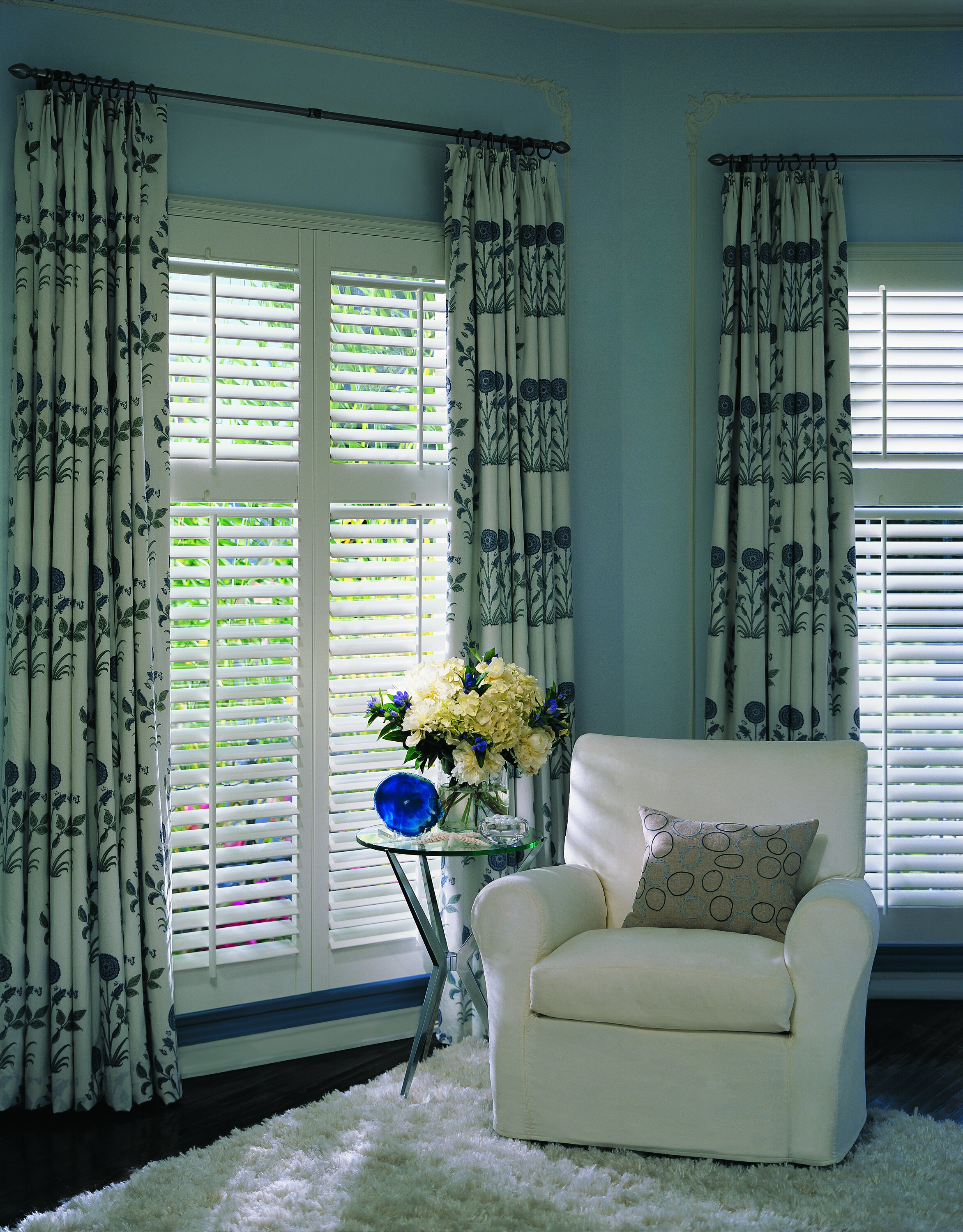
Shutters provide durable, structured coverage with louvers that can be adjusted for light and privacy. Certain shutter products may offer automated louver control, depending on the manufacturer, material, dimensions, and selected configuration. Even when full smart operation is not available for a particular shutter, shutters can still be incorporated into a broader home plan alongside automated shades, blinds, or drapery.
The fitted construction of shutters makes them appealing for homeowners who want a substantial window treatment with architectural definition. Louver size, panel layout, frame style, color, and divider-rail placement can be customized according to the window and the desired appearance.
When planning smart window treatments in Sterling Heights, it is helpful to evaluate the entire home rather than choosing products one opening at a time without a broader strategy. Some rooms may benefit most from automation, while others may be better suited to manually operated shutters. Consistent colors, materials, and design elements can connect the selections visually even when the operating methods differ.
A professional consultation can clarify which shutter features are available and whether automated operation is practical for a particular opening. Product compatibility should be confirmed before finalizing a smart-home plan, especially when several window covering types are being combined.
Control Options for Different Households
Not every homeowner wants to operate window treatments in the same way. A handheld remote is often the most straightforward choice. It provides convenient control without requiring a phone or broader automation platform. Remotes may be programmed to operate one treatment, a group of treatments, or multiple groups, depending on the system.
Wall-mounted controls provide a consistent location for operation and can feel similar to using a standard light switch. Smartphone apps may offer individual control, room grouping, schedules, and other available settings. Voice commands may also be possible when the window treatment system is compatible with the homeowner’s chosen smart-home platform.
People researching smart window treatments in Sterling Heights should consider who will operate the coverings and which method will be easiest for everyone in the household. A smartphone-only approach may not be ideal if guests, children, or other family members also need access. Combining app control with remotes or wall controls can provide greater flexibility.
The strength and availability of features vary among manufacturers and product lines. Compatibility should never be assumed based only on a general description of “smart shades” or “motorized blinds.” Homeowners should confirm the specific operating capabilities, power requirements, controls, and integration options before ordering.
Battery, Plug-In, and Wired Power Options
Power planning is an important part of selecting automated window coverings. Battery-powered treatments are often practical for existing homes because they may not require new electrical wiring. Some systems use replaceable batteries, while others include rechargeable power sources. Battery life depends on the treatment’s size, weight, frequency of use, and motor system.
Plug-in motors may be appropriate when an outlet is conveniently located near the window and the power connection can be arranged neatly. Wired systems may be considered during new construction or significant remodeling, when electrical planning can be completed before walls and finishes are finalized.
The right power source for smart window treatments in Sterling Heights depends on the home and the homeowner’s preferences. Battery operation may simplify installation, while wired power can reduce future charging or battery replacement. Large or frequently operated treatments may have different power needs than smaller coverings used only once or twice per day.
Homeowners should also ask how charging or battery replacement will be handled. A treatment installed high above the floor needs a practical maintenance plan. Discussing accessibility before the order is placed can prevent inconvenience later and ensure that the chosen solution remains manageable.
Smart Treatments for Bedrooms
Bedrooms often require a careful balance of privacy, darkness, comfort, and convenience. Motorized room-darkening shades can be programmed to close as part of an evening routine. In the morning, they can rise at a selected time to introduce natural light without requiring someone to leave the bed.
Room darkening is different from complete blackout. Small amounts of light may enter around the edges of a treatment depending on the mounting style, window construction, and product design. Homeowners who are sensitive to light should discuss side gaps and available configurations during their consultation.
Families selecting smart window treatments in Sterling Heights for children’s rooms may appreciate the removal of loose operating cords from everyday use. Cordless and motorized products can create a cleaner operating experience, although every selected product should still be used according to its manufacturer’s safety instructions.
Drapery may be paired with shades when additional coverage or a softer appearance is desired. The combination can offer multiple layers of light management, with each treatment controlled according to the homeowner’s needs and the capabilities of the selected system.
Smart Treatments for Living Areas and Home Offices
Living rooms and family rooms frequently contain several windows, making grouped control especially useful. Homeowners can adjust an entire wall of window coverings together instead of operating each one separately. Preset positions may make it easy to switch between open daylight, reduced glare, greater privacy, and evening coverage.
Home offices benefit from precise glare control. Direct sunlight on a computer monitor can make working uncomfortable, but keeping a room dark all day is not always desirable. Automated schedules can adjust shades or blinds during the periods when direct light reaches the workspace.
Installing smart window treatments in Sterling Heights in shared living areas can also help protect interior comfort during the brightest hours. The coverings can lower before the room becomes overly warm and reopen later when the sunlight is less intense. This creates a more responsive environment without interrupting work, meals, or relaxation.
The placement of furniture, televisions, desks, and frequently used seating should be considered when choosing treatments. A solution that works well for the window should also support how the room is actually used.
Planning for Large or Unusually Shaped Windows
Large windows can provide expansive views and abundant daylight, but their treatments may be heavy and difficult to operate manually. Motorization reduces the need to pull, lift, or guide oversized coverings. Depending on product limitations, a large opening may require multiple treatments rather than one exceptionally wide unit.
Dividing the window covering can offer more flexible control. One section might remain open while another is closed to block direct sunlight. The divisions should be planned carefully so they relate appropriately to the window’s frames and overall structure.
Some specialty shapes have fewer motorized options than standard rectangular windows. The feasibility of automation depends on the product type and the specific dimensions. An in-home consultation allows the openings to be evaluated accurately before recommendations are made.
For homeowners comparing smart window treatments in Sterling Heights, professional measurement is especially important for large, tall, or unusual windows. Precise dimensions, mounting conditions, access, and nearby obstacles can all affect the recommended solution.
Choosing Colors, Materials, and Opacity
The motor and controls provide convenience, but the visible material determines how the treatment looks in the room. Homeowners can choose from a wide range of colors, textures, slat finishes, fabrics, and opacity levels. The goal is to balance functional requirements with an appearance that complements the home.
Neutral shades can create a quiet, versatile foundation, while deeper colors may provide contrast. Natural-looking textures can add warmth, and smooth fabrics may support a more streamlined look. Blinds and shutters offer their own range of finishes and louver or slat proportions.
Opacity should be selected based on the room’s purpose. Light-filtering materials soften sunlight while maintaining brightness. Room-darkening materials provide more substantial coverage. Solar-style shade fabrics, where appropriate within the available product selection, may reduce glare and preserve some outward visibility, although privacy characteristics can change at night.
Samples should be viewed against the actual window whenever possible. Michigan daylight can look different throughout the day, and the material’s appearance may change when sunlight passes through it. Customized selection helps ensure the final product performs and looks as expected.
Why Professional Measurement and Installation Matter
Smart window coverings combine customized materials, precise dimensions, motors, controls, and power sources. Each part needs to work together. Incorrect measurements can result in excessive gaps, poor alignment, mounting problems, or treatments that do not operate smoothly.
Professional measurement identifies the width, height, depth, mounting surface, obstructions, window handles, and other details that may affect installation. It also helps determine whether an inside or outside mount is more appropriate. For grouped windows, consistent placement contributes to a more polished finished appearance.
Installation includes mounting the treatment securely, confirming movement, setting limits where required, pairing controls, and reviewing basic operation. The installer can also verify that grouped treatments respond as intended.
A professionally planned project is particularly valuable when several rooms or multiple control methods are involved. Clear organization helps ensure that remotes, channels, groups, and schedules remain understandable after installation.
Questions to Ask Before Ordering
Before selecting smart window coverings, consider how you use each room and what you want the treatments to accomplish. Helpful questions include:
Which windows are inconvenient or difficult to reach?
When does direct sunlight enter each room?
Is the primary goal privacy, glare reduction, insulation, room darkening, or a combination?
Should several window treatments operate together?
Would remote, wall, app, schedule, or voice control be most useful?
Is battery, plug-in, rechargeable, or wired power practical?
How often will the coverings move?
Who needs to operate them?
Are there existing smart-home systems that require compatibility?
Which colors and materials work best with the room?
Answering these questions gives the window treatment professional a clearer understanding of your priorities. It also prevents homeowners from paying for features they may not need or overlooking functions that would make a meaningful difference.
Customized Window Treatments for Sterling Heights Homes
Every home has different windows, sunlight patterns, privacy concerns, and household routines. A system that is ideal for a tall living room window may not be appropriate for a bedroom, home office, or sliding door. Customization makes it possible to select the right product, size, fabric, control method, and power source for each opening.
Vertical Vic’s serves Mount Clemens and surrounding areas, including Sterling Heights, with customized blinds, shades, drapery, and shutters. The team can help homeowners compare manual and motorized options, explore compatible controls, and choose materials that address both practical needs and appearance.
If you are ready to explore smart window treatments in Sterling Heights, contact Vertical Vic’s at (586) 465-3631, call toll-free at (866) 746-9744, or email info@verticalvics.com.
Vertical Vic’s has experienced staff that can customize your order to fit your needs and offer options to offer sun control, insulation and privacy as well as be aesthetically pleasing. Take advantage of our innovative ideas and excellent service. Bring your measurements into our showroom or schedule a free in-home consultation to receive a customized quote.