
Plantation Shutters in Livonia: A Guide to Custom Style, Privacy, and Light Control
Livonia homeowners expect their window treatments to do more than cover the glass. The right choice should provide dependable privacy, make daylight easier to manage, contribute to indoor comfort, and look appropriate for the character of the home. That is why plantation shutters in Livonia remain such a practical and attractive option. Their broad louvers, clean lines, and made-to-measure construction create a finished appearance while giving homeowners precise control over light and visibility. Whether you are updating one prominent window or selecting treatments for several rooms, custom shutters can deliver a cohesive solution designed around your windows and the way you use each space.
Vertical Vic’s helps homeowners throughout Mount Clemens, Livonia, and surrounding Southeast Michigan communities compare custom shutters with blinds, shades, and drapery. Every category offers distinct advantages, but shutters stand apart because they become a fitted treatment within the window opening. Their structured panels and adjustable louvers can suit traditional, transitional, and modern interiors while providing useful performance through every Michigan season.
Why Custom Shutters Work So Well in Livonia Homes
Livonia includes a wide range of home styles, window sizes, and room layouts. Some homes have wide front windows that bring in abundant afternoon sun, while others have bedrooms or street-facing rooms where privacy is the primary concern. Kitchens may need treatments that are easy to adjust, and living rooms may call for a more polished visual presence. Custom shutters can be configured for each of these situations instead of forcing every window into the same standard treatment.
Choosing plantation shutters in Livonia allows homeowners to balance appearance with daily function. The louvers can be tilted upward to admit softened daylight while limiting the direct view from outside. They can open more fully when the room needs brightness, close when privacy is important, or be adjusted throughout the day as the sun changes position. This flexibility is especially useful in rooms that face neighboring properties, sidewalks, streets, or intense morning and afternoon light.
Unlike ready-made products that may leave inconsistent gaps or appear undersized, custom shutters are measured for the individual window. The frame, panel configuration, louver size, and operating details are selected as part of a complete design. The result is a treatment that looks intentional, functions smoothly, and complements the proportions of the opening.
Understanding the Plantation Shutter Design
Plantation shutters typically feature framed panels fitted with horizontal louvers. The panels may be opened when full access to the glass is desired, while the louvers tilt to regulate daylight and privacy without opening the entire treatment. This two-part operation gives homeowners more control than a simple open-or-closed covering.
When comparing plantation shutters in Livonia, it is important to look beyond color alone. Louver width affects both the view and the overall scale of the treatment. Wider louvers can create a more open view when tilted and often support a clean, contemporary appearance. Narrower louvers introduce more horizontal lines and may suit smaller windows or a more traditional design preference. The right choice depends on window dimensions, sightlines, room style, and the amount of light control desired.
Panel layout also matters. A narrow window may work well with one panel, while a broad opening may need multiple panels to maintain balanced proportions and convenient operation. Divider rails or split-tilt arrangements can provide separate control over the upper and lower louvers. This means the lower section can remain closed for privacy while the upper section admits daylight—an especially useful configuration for bedrooms, bathrooms, home offices, and street-facing living areas.
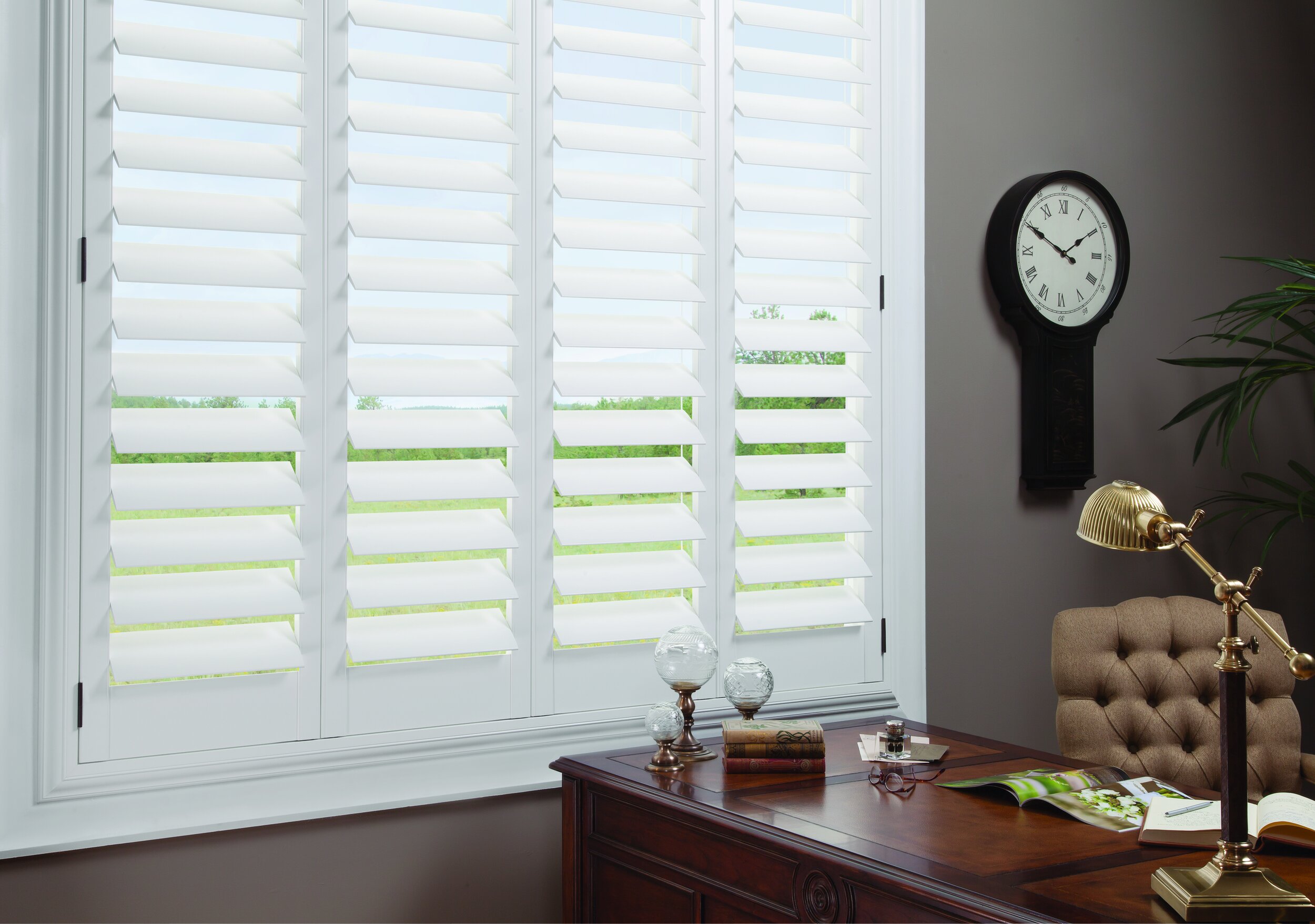
Precise Light Control Throughout the Day
Michigan daylight changes considerably by season, and the direction a window faces affects the type of glare and heat a room receives. East-facing windows often experience strong morning brightness. West-facing rooms may become uncomfortable later in the day, while south-facing windows can receive sustained sunlight. North-facing rooms usually have softer light but may still need privacy and glare management.
With plantation shutters in Livonia, homeowners can redirect light instead of simply blocking it. Tilting the louvers upward can reduce glare at eye level while allowing light to reach farther into the room. A downward tilt may help brighten a work surface or seating area, depending on the sun’s position. Closing the louvers creates greater room darkening, although shutters should not be described as producing the complete blackout effect associated with certain specialized shades and side-channel systems.
For spaces where television screens, computer monitors, or polished surfaces reflect direct light, small louver adjustments can make a noticeable difference. This precise control supports comfort without requiring the treatment to remain fully closed. It also helps protect interior furnishings and other window treatments from prolonged direct sun exposure. When stronger room darkening is required, Vertical Vic’s can discuss whether shutters alone are appropriate or whether another custom window treatment would better match the goal.
Privacy Without Giving Up Every Bit of Daylight
Privacy is rarely an all-or-nothing need. A homeowner may want coverage at the lower portion of a window while still enjoying daylight above eye level. Another room may need greater privacy only during evening hours. Custom shutter configurations can accommodate these differences more effectively than treating every window exactly the same.
Properly fitted plantation shutters in Livonia can be adjusted to reduce visibility through the window while preserving usable natural light. Split-tilt controls are particularly helpful when a room faces a public walkway or a nearby home. The lower louvers can remain closed while the top section stays partially open. In the evening, all louvers can be closed for more complete coverage.
This adaptability makes shutters appropriate for primary bedrooms, guest rooms, living areas, dining rooms, home offices, and bathrooms where the chosen material is suitable for the room conditions. The consultation process should account for window height, exterior sightlines, room use, and when privacy matters most. A treatment that performs well at noon may need a different configuration after dark, so evaluating both daytime and nighttime needs leads to a more satisfying result.
Supporting Comfort Through Michigan’s Changing Seasons
Window treatments are only one part of a home’s overall thermal performance, but a fitted treatment can help reduce the direct exchange of heat near the glass. During cold Livonia winters, closed shutters add another layer between the room and the window. In summer, adjusting or closing the louvers can reduce the amount of direct solar heat entering a space.
Homeowners considering plantation shutters in Livonia should discuss insulation goals during the design consultation. Shutter material, frame fit, window condition, sun exposure, and installation quality all influence performance. Shutters are not a replacement for efficient windows, but their solid construction and close fit can support a more comfortable environment when used strategically.
The ability to change the louver angle also helps homeowners respond to daily conditions. On a bright winter day, opening the louvers may allow beneficial sunlight into the room. On a hot summer afternoon, closing or redirecting the louvers may improve comfort. This day-to-day flexibility is one reason shutters remain appealing in a climate that experiences cold winters, humid summers, and major changes in daylight throughout the year.
A Made-to-Measure Fit Matters
Accurate measuring is essential for a shutter installation that looks balanced and operates properly. Even windows that appear identical can vary slightly in width, height, depth, or squareness. Trim, handles, cranks, locks, and other window components may also affect the available mounting space. A professional assessment identifies these conditions before the order is placed.
Custom plantation shutters in Livonia are planned around the actual opening rather than a general window category. The installer must determine whether an inside or outside mount is best, whether enough depth exists for the desired frame, and how panels can open without interfering with nearby surfaces. The finished treatment should allow practical access to the window while maintaining consistent reveals and clean visual alignment.
An inside mount places the shutter within the opening and can emphasize existing trim when the window provides sufficient depth and a suitable shape. An outside mount attaches beyond the opening and may help accommodate shallow depth, irregularities, or obstructions. Neither method is automatically better. The correct choice depends on the window and the homeowner’s priorities.
Selecting the Right Material and Finish
Shutters are available in material options designed to meet different performance, appearance, weight, and maintenance preferences. Depending on the available product lines, homeowners may compare wood shutters with durable composite or engineered alternatives. Natural wood can offer distinctive grain and a refined appearance. Composite options may provide consistency and resistance suited to particular environments. Product specifications should guide placement, especially in rooms where moisture, temperature changes, or broad panel spans are considerations.
The finish selected for plantation shutters in Livonia should coordinate with the window trim, wall color, and any nearby blinds, shades, or drapery. White and off-white finishes can create a crisp, versatile effect, while stained or deeper finishes may bring out the warmth of wood tones. Exact color coordination is especially important when shutters will be installed in several adjoining rooms or viewed together in an open layout.
A professional consultation is useful because small samples can look different once placed beside the actual trim and exposed to the room’s natural and artificial light. Reviewing finish choices in the home makes it easier to see undertones and determine whether the shutter should blend with the window casing or create a deliberate contrast.
Louver Sizes and Their Effect on the View
Louver size affects far more than the appearance of a shutter. It changes the number of horizontal lines across the window, the available view when open, and the depth required for operation. Wider louvers generally create fewer visual interruptions and can suit broad windows, open rooms, and updated interiors. A smaller louver may complement compact openings or a more detailed traditional look.
When designing plantation shutters in Livonia, louver selection should be proportional to both the window and the room. Choosing solely from a small sample can be misleading because scale changes once the product covers an entire opening. It is helpful to consider how the shutter will look from across the room, how much outdoor view is desired, and whether nearby treatments establish a visual rhythm that should be continued.
Clearance is another factor. The louvers need enough room to tilt without contacting handles or glass. A deeper frame or alternative mounting approach may be needed to accommodate the chosen size. Careful planning prevents operating conflicts and ensures the preferred louver style works with the physical window.
Shutter Configurations for Different Window Types
Standard rectangular windows are only the beginning. Homes may include wide openings, paired windows, tall windows, bay arrangements, or specialty shapes. Each one requires a configuration that supports the proportions and provides manageable panel sizes. Multiple panels may fold or open independently, and the placement of rails should align thoughtfully with window divisions whenever practical.
For large openings, plantation shutters in Livonia must be engineered with panel weight and everyday usability in mind. Dividing a wide span into correctly sized sections can make the treatment easier to operate while preserving a balanced appearance. On tall windows, a divider rail or separate tilt zones may improve control over light and privacy. Bay windows require careful measurement of angles and frame intersections so neighboring panels can function without conflict.
Specialty-shaped shutters may be available for arches, angles, or other distinctive windows, depending on the product and exact dimensions. A fitted shutter can preserve the shape of the opening rather than concealing it behind a rectangular treatment. Because specialty applications have more technical constraints, an in-home evaluation is particularly valuable before choosing a product.
Room-by-Room Uses for Custom Shutters
Living Rooms and Family Rooms
Living areas often need to shift between bright daytime use, glare reduction, and evening privacy. Shutters offer adjustable control without loose fabric at the window. Their architectural lines can bring consistency to a room with several windows, and individually operated panels allow one area to remain open while another receives more coverage.
In a front-facing room, plantation shutters in Livonia can limit views from the street while maintaining daylight above eye level. For a family room with a television, louvers can be adjusted to reduce direct reflections without darkening the entire room. If the room also includes drapery, the combination can introduce softness and fuller light control while the shutters remain the primary fitted treatment.
Bedrooms
Bedrooms usually place a higher priority on privacy and reduced morning light. Shutters provide dependable coverage and easy louver adjustment, but homeowners who require near-blackout conditions should discuss that requirement clearly. Small light gaps are inherent in many operable shutter designs. A room-darkening shade or lined drapery may be recommended when maximum darkness is essential.
For a bedroom where moderate room darkening is sufficient, shutters can offer a clean, low-maintenance solution. Split controls allow the upper and lower sections to operate independently, making it possible to preserve privacy while letting in daylight during the morning or afternoon.
Kitchens and Dining Areas
Kitchens benefit from treatments that can be adjusted easily as light changes. Material suitability should be considered for windows near sinks, food preparation areas, or sources of humidity. A durable shutter product may provide simple upkeep and keep fabric away from active work zones.
Dining areas may require softer daylight during meals and fuller privacy after sunset. Shutters allow quick changes without raising an entire treatment. In a connected kitchen and dining layout, repeating the same finish can create continuity even when the windows differ in size.
Bathrooms
Bathrooms require privacy and materials appropriate for moisture conditions. Not every shutter material is intended for every environment, so product specifications matter. When the correct option is selected, adjustable louvers can provide privacy while admitting daylight through the upper portion of the window.
Home Offices
Screen glare can shift from morning to afternoon, making fixed coverage inconvenient. Shutters allow targeted adjustments that help protect visibility on a monitor while keeping the room from feeling closed off. For client-facing video calls, the structured appearance can also provide a neat, consistent background at nearby windows.
Comparing Shutters with Blinds, Shades, and Drapery
Shutters are a strong choice, but the best window treatment is the one that matches the room’s actual needs. Vertical Vic’s offers blinds, shades, drapery, and shutters, allowing homeowners to compare categories rather than being pushed toward a single solution for every opening.
Blinds provide adjustable slats and are available in a range of materials, colors, and operating styles. They can be a practical option when homeowners want familiar light control with a less permanent visual presence than shutters. Shades offer an especially broad range of fabrics, opacities, textures, insulation levels, and lifting options. Cellular shades can emphasize energy efficiency, roller shades provide a streamlined look, and other shade styles can introduce texture or softness.
Drapery brings fabric, fullness, and vertical scale to a room. It can stand alone or be paired with shutters for layered light control and a softer finish. When layered, the shutter handles everyday privacy and louver adjustment while the drapery can contribute additional coverage and visual warmth.
Compared with these alternatives, plantation shutters in Livonia offer a distinctly structured appearance and a fitted frame-and-panel design. They do not stack as compactly as many shades, and they require clearance for panel operation. Those practical differences should be considered alongside their durability, adjustable louvers, and architectural character. A whole-home plan may use shutters in prominent living areas, shades in bedrooms requiring stronger room darkening, blinds in selected utility spaces, and drapery where softness or layering is desired.
Caring for Custom Shutters
Routine care is generally straightforward. Louvers can be dusted with a clean, soft cloth, microfiber duster, or vacuum attachment used carefully at low suction. Supporting the louver while cleaning helps avoid placing unnecessary pressure on the tilt mechanism. Cleaning methods should always follow the manufacturer’s instructions for the specific material and finish.
Avoid excessive water, abrasive cleaners, and harsh chemicals unless the product care guide specifically permits them. Wood products may require different care from composite materials. Hinges and moving components should be treated gently, and panels should not be forced if an obstruction prevents normal operation.
Professional installation contributes to reliable performance, but natural settling or repeated use can occasionally make a small adjustment necessary. If panels begin to rub, louvers do not remain in position, or hardware seems loose, the appropriate response is to review the product guidance or contact a window treatment professional rather than forcing the mechanism.
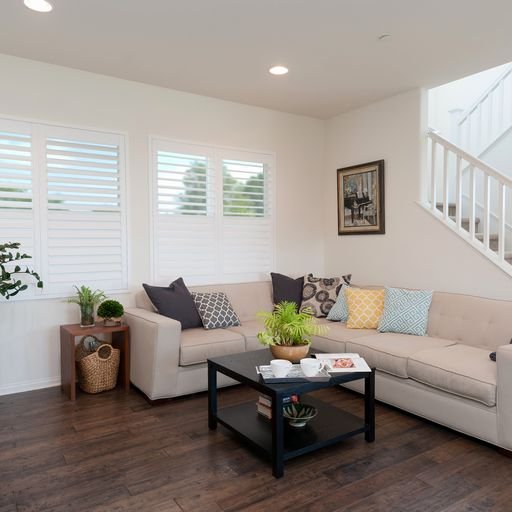
Questions to Ask During a Shutter Consultation
The design consultation is the ideal time to connect product choices with real daily needs. Before making a decision, consider asking:
Which material is best suited to this room and its moisture or sun exposure?
What louver size fits the scale and depth of the window?
Would an inside or outside mount provide the best fit?
How will window handles, locks, or cranks affect operation?
Should the louvers tilt as one section or in separate upper and lower sections?
How many panels will the opening require?
Can the panels open fully without contacting nearby surfaces?
What level of room darkening can realistically be expected?
How should the selected finish be cleaned and maintained?
Would blinds, shades, or drapery better serve any windows in the same room?
These questions help turn a broad style preference into a treatment plan that accounts for privacy, sunlight, access, maintenance, and installation. They also reduce the chance of choosing a configuration based only on appearance.
Why Professional Measurement and Installation Make a Difference
Shutters depend on precise relationships between frames, hinges, panels, louvers, and the existing window. An error that seems small on paper can lead to uneven gaps, restricted movement, or a panel that does not sit correctly. Professional measuring documents the opening and identifies potential obstructions before manufacturing begins.
Professional installation of plantation shutters in Livonia also helps ensure that frames are secured, panels align, and moving components operate as designed. The installer can account for minor irregularities that are common in existing homes and confirm that each section opens and closes properly. This is particularly important for multiple-window arrangements, tall openings, and specialty shapes.
The result should feel natural to use. Louvers should respond smoothly, panels should move without unnecessary friction, and the treatment should look balanced from both nearby and across the room. That level of finish is difficult to achieve with a generic product that was not planned for the exact opening.
Planning a Consistent Look Across Several Rooms
A consistent whole-home plan does not require every window to use the same treatment. Instead, consistency can come from repeating a finish, coordinating colors, aligning visible proportions, or selecting complementary product categories. Shutters may be ideal for front-facing rooms where exterior consistency and privacy are priorities, while specialized shades may be more appropriate in bedrooms or windows requiring compact stacking.
If plantation shutters in Livonia will be visible from adjoining rooms, consider how louver size, frame style, and finish relate across the sightline. Repeating those details can connect the spaces even when the panel configurations differ. Where shutters meet drapery, blinds, or shades, coordinated undertones and thoughtful mounting heights can keep the overall plan from feeling pieced together.
It is also useful to phase the project intentionally. Homeowners may begin with the rooms that have the greatest privacy or glare concerns, then continue into adjacent areas later. Documenting the selected finish and product details helps maintain consistency if additional treatments are ordered in a future phase, subject to ongoing product availability.
Local Window Treatment Guidance for Livonia Homeowners
Local experience matters because product recommendations should reflect the sunlight, privacy needs, seasonal temperatures, and housing characteristics found throughout Southeast Michigan. A consultation in the home allows samples to be viewed in the actual light and gives the specialist a clear understanding of window construction, room use, and exterior sightlines.
Vertical Vic’s serves Mount Clemens, Livonia, and surrounding areas with custom blinds, shades, drapery, and shutters. Rather than selecting from a generic list, homeowners can compare how different treatments will function at their exact windows. This is particularly helpful when one room needs several solutions or when the homeowner wants to coordinate new treatments with products already installed elsewhere in the home.
Schedule a Consultation with Vertical Vic’s
The best plantation shutters in Livonia begin with accurate information: precise measurements, realistic performance expectations, suitable materials, and a configuration that reflects how the room is used. Vertical Vic’s can help you evaluate shutter styles and compare them with custom blinds, shades, and drapery when another treatment may better meet a particular need.
Vertical Vic’s has experienced staff that can customize your order to fit your needs and offer options to offer sun control, insulation and privacy as well as be aesthetically pleasing. Take advantage of our innovative ideas and excellent service. Bring your measurements into our showroom or schedule a free in-home consultation to receive a customized quote.
Call the local number at (586) 465-3631, call toll-free at (866) 746-9744, or email info@verticalvics.com to begin planning custom window treatments for your Livonia-area home.